Restoring Factory Gloss to Damaged Surfaces
Paint Corrections & Scratch Removals in West Linn for swirl marks, oxidation, and faded finishes from neglect or automated wash damage
Clearview Detailing & Washing uses multi-stage polishing techniques to reduce swirl marks, light scratches, oxidation, and paint imperfections that dull the original finish on your vehicle. Paint correction is a mechanical process that removes microscopic layers of compromised clear coat to reveal undamaged material beneath, restoring the surface clarity and depth of color that fades over time or after repeated contact with abrasive brushes. The level of correction required depends on how deep the scratches penetrate and whether the clear coat retains enough thickness to be safely polished without breaking through to the base layer.
This service addresses damage caused by automatic car washes that use stiff rotating brushes, improper hand-washing techniques with contaminated towels, environmental fallout that etches into paint, and years of oxidation that leave surfaces looking chalky or hazy. The correction process involves compound polishing for heavier defects and finer polishing stages to refine the finish, with each pass measured to avoid removing more material than necessary.
Schedule a paint evaluation to determine the correction level your vehicle requires and review results from similar finishes.
What Happens During a Correction Process
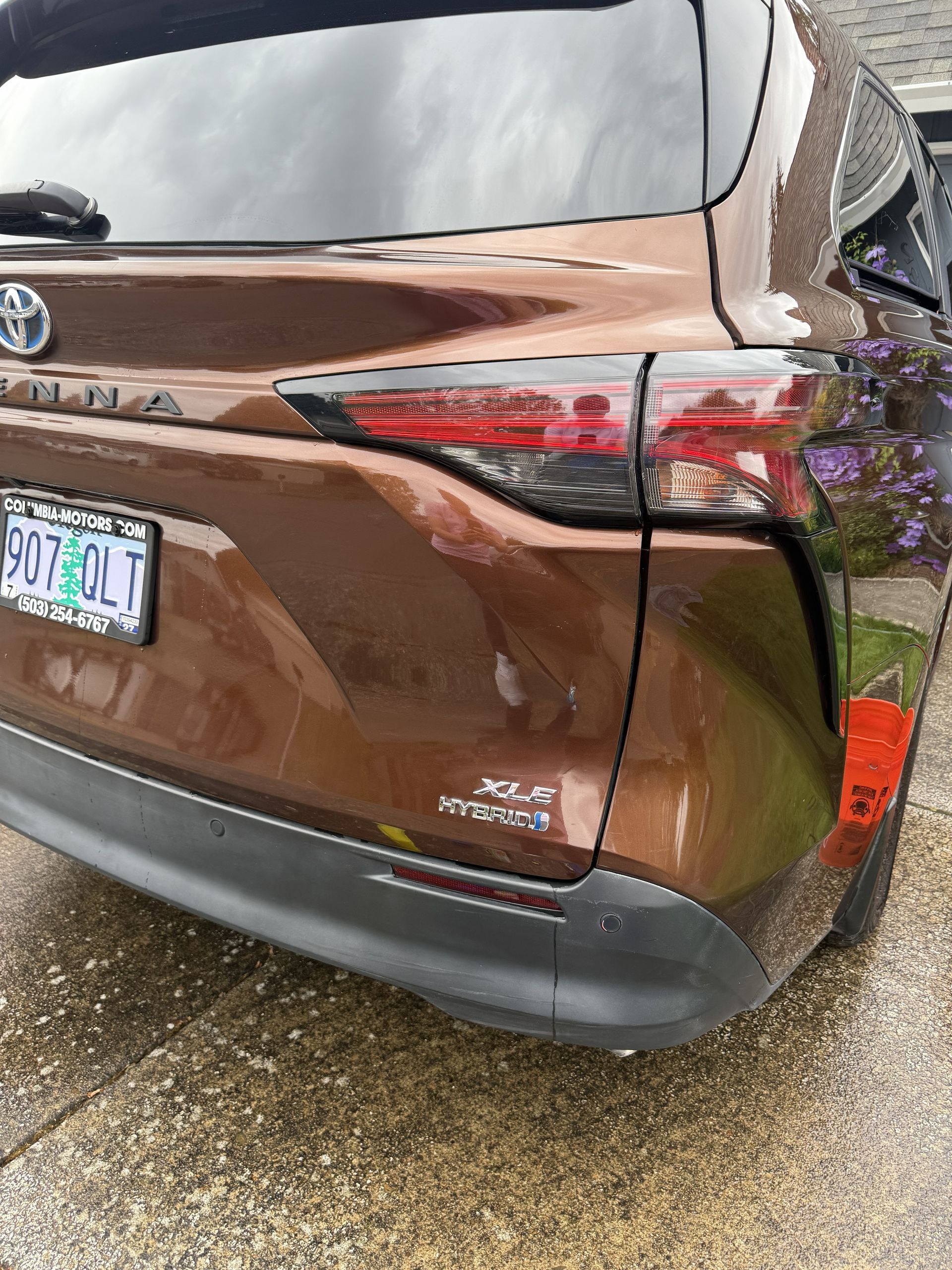
Paint correction begins with a surface assessment under high-intensity lighting that reveals the depth and density of scratches, swirl patterns, and oxidation across each panel. A paint thickness gauge measures the remaining clear coat to confirm there is enough material to work with safely, since some panels may have been previously repaired or repainted with thinner coverage than factory specifications. Correction work then proceeds in stages, starting with heavier cutting compounds on a rotary or dual-action polisher to level out deeper scratches, followed by finer polishes that remove haze and restore gloss without introducing new marring.
Once correction is complete, you will notice that reflections in the paint appear sharper and undistorted, colors look richer and more saturated, and the surface feels smooth to the touch without the resistance caused by embedded contaminants or raised scratch edges. Panels that previously appeared dull or cloudy under sunlight will show clear, mirror-like reflections, and swirl marks visible under garage lighting or direct sun will be reduced or eliminated depending on the severity of the original damage. The difference is most dramatic on darker colors where imperfections are more visible, but all paint types show measurable improvement in surface clarity.
Correction does not repair deep scratches that penetrate through the clear coat into the base paint or primer layers, and it cannot restore panels where the clear coat has completely failed and begun peeling. Older vehicles or those with previous correction work may have limited clear coat remaining, which restricts how aggressively the surface can be polished. The service is particularly valuable for luxury vehicles before resale, enthusiast cars maintained to show standards, and any vehicle with neglected paint that has lost its original luster.
Questions Before Evaluating Your Paint
Vehicle owners preparing for correction work or considering whether their paint is a good candidate often want to know what the process involves and what results to expect based on their vehicle's condition.
How do you determine if my paint has enough clear coat left to correct?
A paint thickness gauge measures the total thickness of all paint layers on each panel, and readings are compared to factory specifications to calculate how much clear coat can be safely removed without risking burn-through to the base layer.
What causes swirl marks to appear after washing?
Swirl marks form when abrasive particles trapped in wash mitts, towels, or automatic brushes drag across the paint surface under pressure, creating thousands of fine scratches that reflect light in circular patterns most visible under direct lighting on dark-colored vehicles.
Why does paint look cloudy or hazy even after washing?
Oxidation occurs when ultraviolet light breaks down the clear coat's chemical bonds over time, leaving a rough, porous surface that scatters light instead of reflecting it cleanly, and this damaged layer must be polished away to reveal the intact clear coat underneath.
Can correction remove scratches from automatic car washes?
Correction reduces or eliminates light to moderate scratches that remain within the clear coat layer, but deeper gouges that reach the color coat or expose primer require touch-up paint or panel refinishing rather than polishing alone.
How long does corrected paint stay clear before it needs attention again?
The longevity of correction results depends entirely on how the vehicle is maintained afterward—paint protected with a quality sealant or coating and washed using proper two-bucket methods can remain defect-free for years, while returning to abrasive wash methods will reintroduce damage within weeks.
Clearview Detailing & Washing evaluates each vehicle individually to recommend the appropriate correction level based on current paint condition and your goals for the finish. Request a detailed assessment with lighting inspection and thickness readings to understand what improvement is achievable for your specific vehicle.